A Food Lover’s Guide to Caribbean Food in Denver
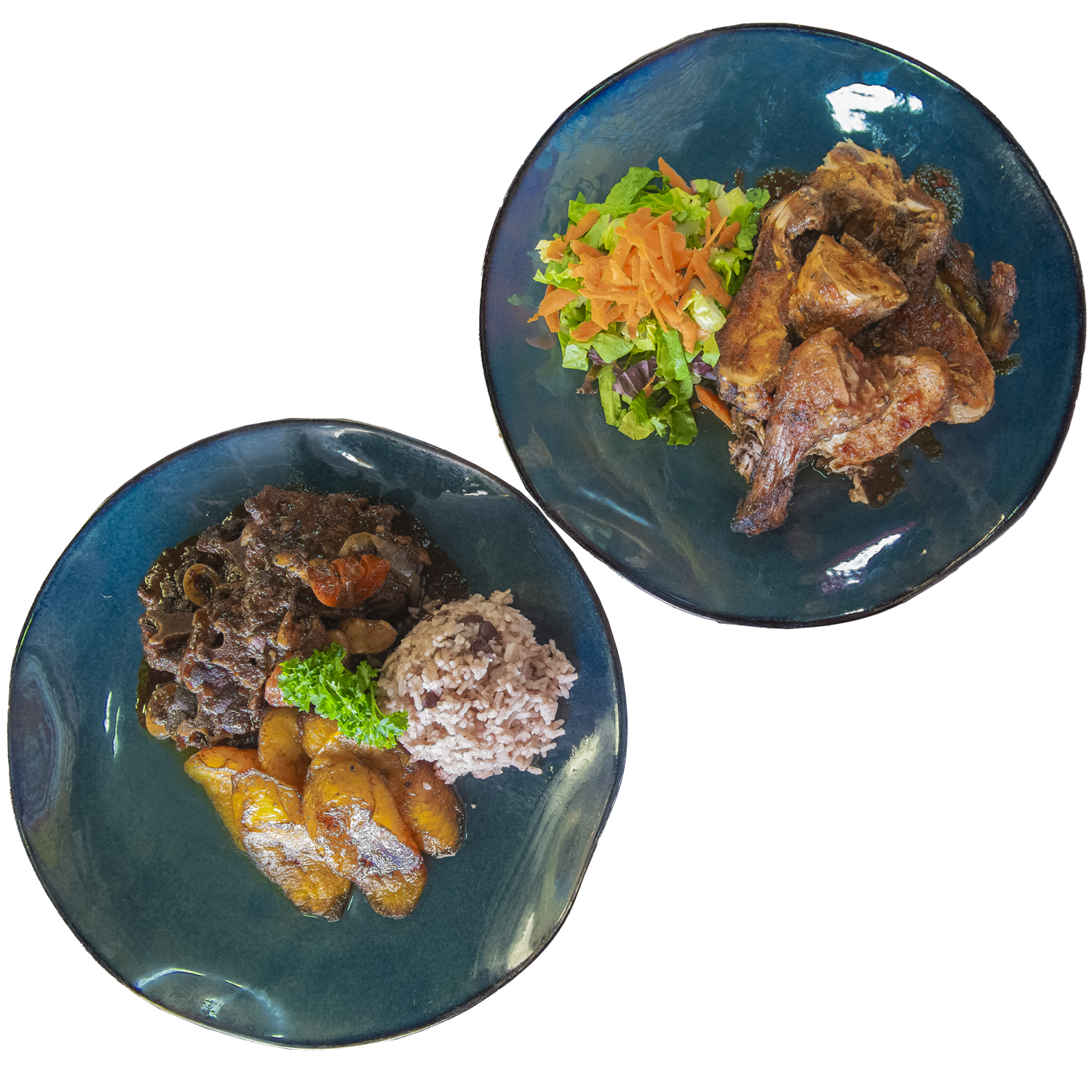
Denver is not the first American city most people associate with Caribbean cooking. Miami, New York, and parts of New Jersey tend to dominate the conversation, and for good reason. Their Caribbean communities are larger, older, and woven more visibly into the daily food culture. But that assumption can make Denver a pleasant surprise. If you know what to look for, the city and its surrounding neighborhoods offer a small but rewarding range of Caribbean flavors, from smoky jerk caribbean food denver and deeply stewed oxtail to flaky patties, fried plantains, and rice dishes that carry real character.
The key is to approach Caribbean food in Denver with the right expectations. This is not a market where every island tradition has equal representation, and it is not a place where you can stroll one block and compare five different family-run spots side by side. What Denver does have is a scene that feels personal. Menus are often compact. Cooks tend to specialize. A restaurant may lean heavily Jamaican, another may bring in Cuban or Puerto Rican notes, and a food truck might narrow its focus even further. For diners, that can be a gift. Smaller scenes often reward attention.
If you care about food beyond trendiness, Caribbean cuisine deserves that attention. It is one of the world’s great expressions of migration, adaptation, and memory. African techniques, Indigenous ingredients, Spanish, French, British, Indian, Chinese, and Middle Eastern influences all show up in different combinations depending on the island. That means there is no single Caribbean flavor profile. There are families of flavors, linked by heat, spice, starches, slow cooking, fresh herbs, tropical fruit, and a respect for food that satisfies on both a practical and emotional level.
What makes Caribbean food distinct
A good Caribbean meal usually balances force and comfort. You taste allspice, thyme, scallion, ginger, garlic, Scotch bonnet heat, citrus, black pepper, clove, cinnamon, or nutmeg, but the point is not simply intensity. The best dishes have structure. Jerk, for example, is not just “spicy grilled chicken.” Proper jerk carries smoke, warmth, savory depth, herbal lift, and a slow-building heat that keeps opening after each bite. Curry goat is not the same as Indian curry, even when the technique traces part of its lineage there. Caribbean curries often feel darker, earthier, and more rustic, with a flavor that settles into the meat and starches around it.
Texture matters as much as seasoning. Fried plantains should be caramelized at the edges, not limp and greasy. Rice and peas should be tender but not mushy, often scented with coconut milk, thyme, and beans that add creaminess and body. Patties need a pastry that shatters slightly when you bite in, giving way to beef, chicken, or vegetable fillings seasoned with enough personality to stand on their own. Oxtail should collapse under a fork, but still taste like it came from a pot that someone watched carefully, not from a steam table that held it too long.
Those details matter when you are looking for strong Caribbean food in Denver. Because the market is smaller, there can be more variation from one visit to the next, and not every place hits every category equally well. One restaurant might make excellent jerk but only average sides. Another may serve superb braised meats but less compelling seafood. Learning how to read a menu helps.
The styles you are most likely to find around Denver
In practical terms, most people searching for caribbean food denver are going to encounter Jamaican cooking first. That is the most visible entry point in many U.S. Cities, and Denver is no exception. Jamaican restaurants and pop-ups often anchor the local scene with jerk chicken, curry goat, brown stew chicken, oxtail, patties, coco bread, and sides like cabbage, rice and peas, and plantains.
That said, the broader Caribbean shows up in bits and pieces across the metro area. Cuban sandwiches, roast pork, and black beans appear on some menus. Puerto Rican influences can surface through pernil, mofongo, arroz con gandules, and pastelillos, though availability tends to be less consistent. Depending on the neighborhood, the event calendar, and the season, you may also spot Trinidadian doubles, Haitian griot, or fusion menus that combine Caribbean seasoning with American barbecue or street-food formats.
The challenge for diners is that many restaurants in Denver are not purely categorical. A place may identify as Caribbean and include Jamaican staples alongside Latin dishes, soul food, or Southern comfort food. Purists sometimes bristle at that, but it is worth remembering that immigrant food businesses often adapt to the neighborhoods they serve. Hybrid menus are not necessarily a red flag. Sometimes they are a sign of a kitchen trying to survive while still protecting its strongest dishes. The trick is to figure out what that kitchen really cares about.
How to read a Caribbean menu like a regular
The easiest mistake is ordering by familiarity. People who are new to Caribbean food often default to whatever sounds safest, then decide the restaurant is average because they ordered the least expressive thing on the menu. If you walk into a place and order grilled chicken breast with a side salad, the kitchen has not had a chance to show you much.
Instead, look for dishes that suggest time, technique, and house character. If a menu includes several braises, stews, or marinated meats, those are often where the cooking becomes most interesting. If patties sell out early, that tells you something. If the person at the counter gently steers you toward one or two items, it is usually wise to listen.
A few dishes tend to reveal a kitchen’s strengths quickly:
- Jerk chicken, because the seasoning, smoke, and moisture all have to align
- Oxtail, because it tests patience, braising skill, and sauce balance
- Curry goat, because toughness and underseasoning show up immediately
- Beef patties, because pastry quality is hard to fake
- Rice and peas, because even the side dish should taste intentional
If those core items are strong, the rest of the menu often follows. If they are weak, the problem is rarely isolated.
One thing experienced diners learn early is to ask how spicy the kitchen really runs. Caribbean heat is not always theatrical, but when it is authentic, it can be serious. A Scotch bonnet has a fruity flavor that is as important as its fire, and some cooks will use it generously. In Denver, where many restaurants serve a broad customer base, spice levels may be moderated by default. If you want the food closer to how the kitchen prefers to make it, ask respectfully whether they can prepare it with more heat or “the regular way.” Sometimes the answer is yes, and the dish wakes up.
Denver neighborhoods and where the search often pays off
Unlike larger coastal cities, Denver does not have a single widely recognized Caribbean district. You have to think in terms of clusters, corridors, and changing local patterns. In my experience, the best approach is to search in the same areas where small independent restaurants, immigrant-owned counters, and food trucks tend to gain a foothold.
Aurora is often a good place to start. Its dining scene is one of the metro area’s most diverse, and it rewards people who are willing to drive a little, park without complaint, and enter strip-mall storefronts without prejudice. East Colfax and nearby stretches can also turn up worthwhile finds, especially where a restaurant has built a loyal lunch crowd from nearby workers and neighborhood regulars. In other parts of Denver, you may find Caribbean food folded into mixed culinary areas rather than concentrated in one zone.
This matters because ambiance can be misleading. Some of the most satisfying Caribbean meals come from modest spaces where the décor is sparse but the steam pans are active, the aroma is immediate, and the person behind the counter knows half the customers by name. Denver has plenty of polished restaurants, but with Caribbean food, polish is not the main metric. Follow smell, turnover, and specificity.
Food trucks and pop-ups deserve special attention here. In a city like Denver, where brick-and-mortar rents can be punishing and winter can complicate operations, mobile businesses often play an outsized role in keeping niche cuisines visible. A truck serving jerk chicken or patties at a brewery one night and a community event the next may be doing some of the most honest cooking in the market. The trade-off is inconsistency of schedule. If you find a truck you like, follow it closely and show up when you can.
What to order when you want the fullest experience
A proper Caribbean meal should feel layered, not isolated. The protein gets most of the attention, but the meal usually works because each component supports the others. Heat needs starch. Richness needs acid or sweetness. Smoke benefits from something cool or soft alongside it.
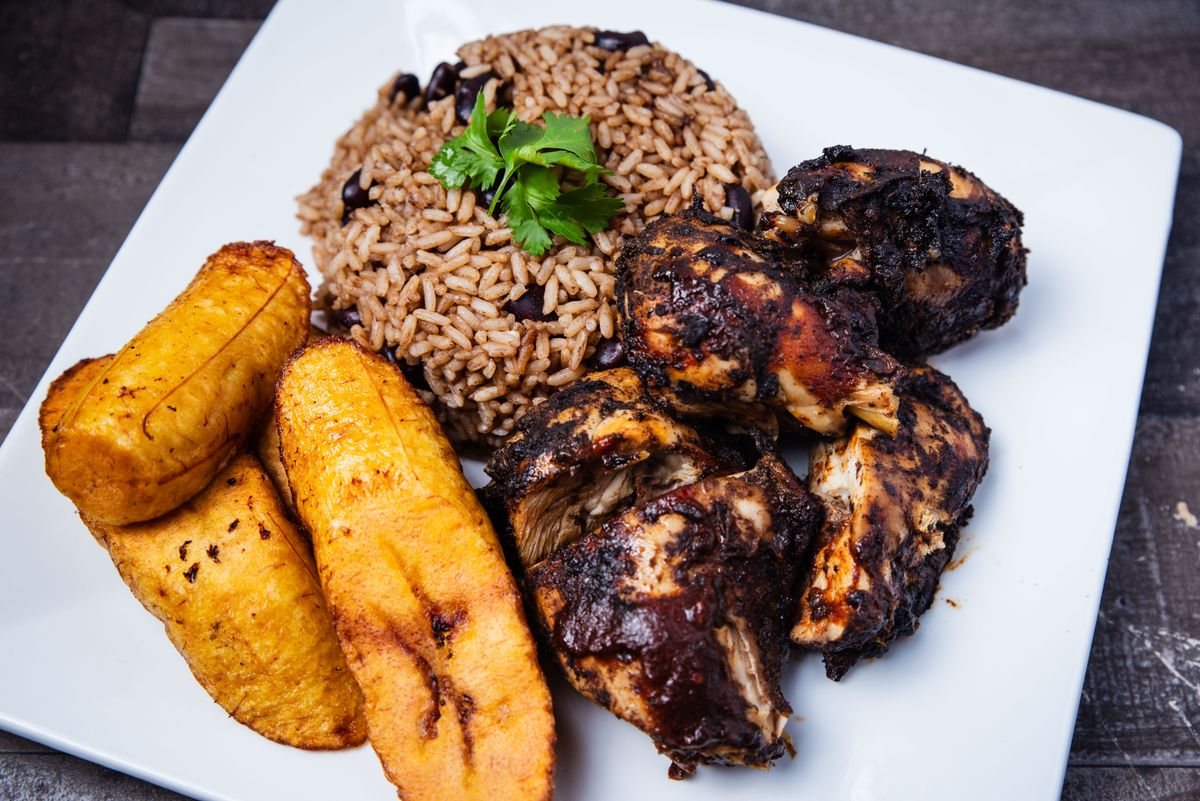
If you want a first meal in Denver that gives you a real sense of the cuisine, build the plate rather than treating it as a single entrée. Jerk chicken with rice and peas and cabbage is a classic for a reason. You get the charred edges of the meat, the aromatic depth of the rice, and a vegetable side that can add freshness and a little relief. Oxtail works especially well with rice because the gravy seeps into every grain, turning the whole plate into something more complete than the sum of its parts. Curry goat asks for a starch that can absorb sauce, whether that is rice, roti if available, or even fried plantains caribbean food denver on the side.
Patties make an excellent test order, but they are not always a full meal. Think of them as a snack, lunch component, or appetizer that tells you something about the pastry work and seasoning philosophy of the kitchen. If the place offers coco bread, pairing the two is worth doing at least once. It is rich, soft, and slightly sweet, a contrast that makes the savory filling stand out.
Seafood can be terrific in Caribbean cooking, though in Denver it is wise to use some judgment. Given the city’s distance from the coast, menu seafood quality may vary more than braised meats and poultry. That does not mean avoid it entirely. It means favor restaurants with a reputation for busy service and specialties they clearly take seriously. A snapper dish that appears as a weekend special and sells out may be a better bet than a permanently listed fish entrée that no one seems to order.
Why sides are not an afterthought
One of the easiest ways to tell whether a restaurant understands its own cuisine is by the sides. This is true almost everywhere, but especially with Caribbean food. A plate of jerk chicken with weak rice and soggy plantains feels incomplete. A plate of decent chicken with excellent sides can still be memorable.
Rice and peas is the obvious benchmark. It should have fragrance, not just function. Even when mildly seasoned, it should taste like it belongs to the rest of the plate. Cabbage is another underrated test. When done well, it offers sweetness, a little bite, and balance against heavier mains. Macaroni and cheese, where offered, often reflects a local or family style rather than a pan-Caribbean standard, and it can be either deeply comforting or entirely forgettable.
Plantains deserve more respect than they often get. There is a big difference between plantains cooked simply to fill the plate and plantains cooked until their sugars deepen and the edges take on real color. Good fried plantains bridge savory and sweet in a way that makes the entire meal feel rounder. In Denver, where some kitchens serve broad menus and prep demands are high, this is one of those details that separates careful cooking from assembly-line work.
The role of spice, smoke, and sweetness at altitude
Denver’s altitude does not transform Caribbean cuisine, but it can subtly affect the dining experience. Dry air changes how people perceive heat, especially if they are not acclimated, and smoky foods can feel a little more pronounced in a dry climate. That is part of why jerk done well in Denver can be especially compelling. The city’s appetite for barbecue overlaps naturally with Caribbean smoke traditions, even though the methods and flavor structures are different.
Sweetness also reads differently depending on the dish and the diner. Tropical sodas, sweet fried plantains, rum cake, and certain sauces can feel more vivid in a climate where freshness and fruit notes stand out sharply. That is not a criticism. It is part of the pleasure. Caribbean food has always understood that savory cooking can benefit from sweetness when it is controlled. The issue is proportion. A good jerk glaze should not turn into candy. A good stew should not taste sugary when it ought to taste deeply savory and spiced.
Finding quality without relying only on hype
Because the Caribbean restaurant pool in Denver is not enormous, online ratings can swing wildly. A new place opens and gets a burst of enthusiastic support. Another business has one rough month and takes a series of hits from customers who expected one style of food and got another. Star ratings help, but they do not replace reading the room.
A better filter is to look for signs of trust. Are Caribbean dishes the heart of the menu or a decorative category? Does the restaurant seem to have repeat customers who know what they want? Are items occasionally unavailable because they sold through, or because the kitchen makes them in limited batches? Does the staff answer questions with confidence, or do they sound detached from the food?
There is also the matter of timing. Lunch can be a smart time to visit because turnover is often strongest. Busy lunch service usually means fresher steam-table items, better texture, and less risk that cooked food has been holding too long. On the other hand, grilled items like jerk may be more compelling later in the day if the kitchen is fully in rhythm. Weekend specials can be excellent, but only if you are prepared for sellouts.
If you are serious about exploring caribbean food denver beyond one meal, a little patience helps. Go back to the places that show promise. Try their signatures. Order a different side. Visit on a different day. Smaller independent restaurants often reveal themselves over time. What seems uneven on a random Tuesday might be excellent on a Saturday when the full menu is firing and the regulars are out.
Drinks, desserts, and the parts of the meal people skip too quickly
Caribbean drinks and sweets rarely get the same attention as the mains, but they often complete the experience. Ginger beer, whether house-made or bottled, can bring sharpness and spice that cuts through rich food beautifully. Sorrel, where available, offers a tart, spiced profile that feels festive and grounding at the same time. Tropical fruit drinks can range from refreshing to quite sweet, so it is worth asking whether they are made in house.
Desserts vary widely depending on the island influence, but rum cake, coconut-based sweets, sweet breads, and pastries all have their place. If a restaurant bakes in house, that is often worth sampling, even if only to take something home. Denver’s drier climate makes fresh, moist cakes especially welcome after a plate built on smoke, spice, and braise.
A practical strategy for your first three visits
If you want to understand the local scene rather than just crossing it off a list, approach it in stages. Start with the standards, then move toward the dishes that reveal more of a kitchen’s identity, then circle back to compare. That gives you a frame of reference and keeps one mediocre order from clouding your judgment.
- First visit, order jerk chicken or brown stew chicken with rice and peas, cabbage, and plantains
- Second visit, choose a slow-cooked dish like oxtail or curry goat
- Third visit, add patties, a house drink, and any weekend special the staff recommends
That sequence is simple, but it works. By the third meal you will know whether a place handles smoke, braising, pastry, sides, and seasoning with real care.
Why Denver’s Caribbean scene is worth your time
Part of the pleasure of eating Caribbean food in Denver is that it still feels discovered rather than overexposed. You are not moving through a polished culinary script designed for visitors. You are often encountering businesses built on family recipes, practical adaptation, and loyal neighborhood support. That gives the food a different energy. It asks a little more from the diner, but it also gives more back.
You may need to drive farther than you expected. You may need to check social media before heading to a truck or pop-up. You may find that one restaurant excels at stews while another wins on patties and sides. That is not a flaw in the experience. It is the experience. Good eating in a city is not always about abundance. Sometimes it is about learning where care lives and returning often enough to recognize it.
For anyone craving warmth, spice, smoke, and food with a strong sense of place, Caribbean cooking offers one of the most rewarding meals in town. Denver may not have the largest Caribbean footprint, but it has enough depth to keep a curious eater busy, and enough variation to remind you that Caribbean cuisine is not one thing. It is many histories on a plate, shaped by island traditions and local realities, still vibrant, still evolving, and very much worth seeking out.
Reggae Pot Jamaican Grill
2243 S Monaco St Pkwy, Suite 104
Denver, CO 80222
(720) 410-2956
FAQ About caribbean food denver
What is a typical Caribbean meal?
Caribbean cuisines vary by island. A Jamaican meal might pair jerk chicken or oxtail with sides such as rice and peas, cabbage, or fried plantains.
What is Jamaica’s national dish?
Ackee and saltfish is widely recognized as Jamaica’s national dish. Check the current menu for availability.
Is Caribbean jerk the same as Jamaican jerk?
Jerk is a Jamaican cooking tradition associated with seasoning and slow cooking or grilling. The exact heat level and preparation vary by cook.
Corrections
Spot something wrong? Send it to the desk and it gets fixed in the open.