Caribbean Food Denver: Where to Taste the Islands
Denver is not the first city people mention when they talk about Caribbean cooking. That usually changes after a few serious meals.
The local scene is not enormous, and that is part of its charm. You do not have block after block of island restaurants the way you might in parts of South Florida or New York. What Denver does have is a growing collection of kitchens, food trucks, neighborhood spots, and crossover concepts serving food with real character. Some lean Jamaican, some Puerto Rican, some Cuban, some broader in scope. A few are polished dining rooms. Others are counter-service places where the best move is to order extra plantains, find a seat, and let the room fill with the scent of jerk spice, fried dough, garlic, allspice, thyme, and slow-cooked meat.
If you are searching for caribbean food denver, it helps to know what you are looking for. “Caribbean” is a wide label, and island cooking is not one thing. Jamaican patties are not the same as Puerto Rican pastelillos. Cuban roast pork takes a different path than Trinidadian doubles. Haitian griot, Dominican mofongo, and Bahamian cracked conch each carry their own history and technique. Denver’s version of the category reflects that diversity, though not always evenly. Jamaican food tends to be the easiest to find. Puerto Rican and Cuban flavors show up in pockets. Sometimes the best meal comes from a chef who grew up with several island traditions at once and cooks from memory rather than category.
That matters, because the best way to eat Caribbean food in Denver is not to look for a single definitive restaurant. It is to understand the dishes, pay attention to execution, and order with some confidence.
What makes Caribbean food worth chasing in Denver
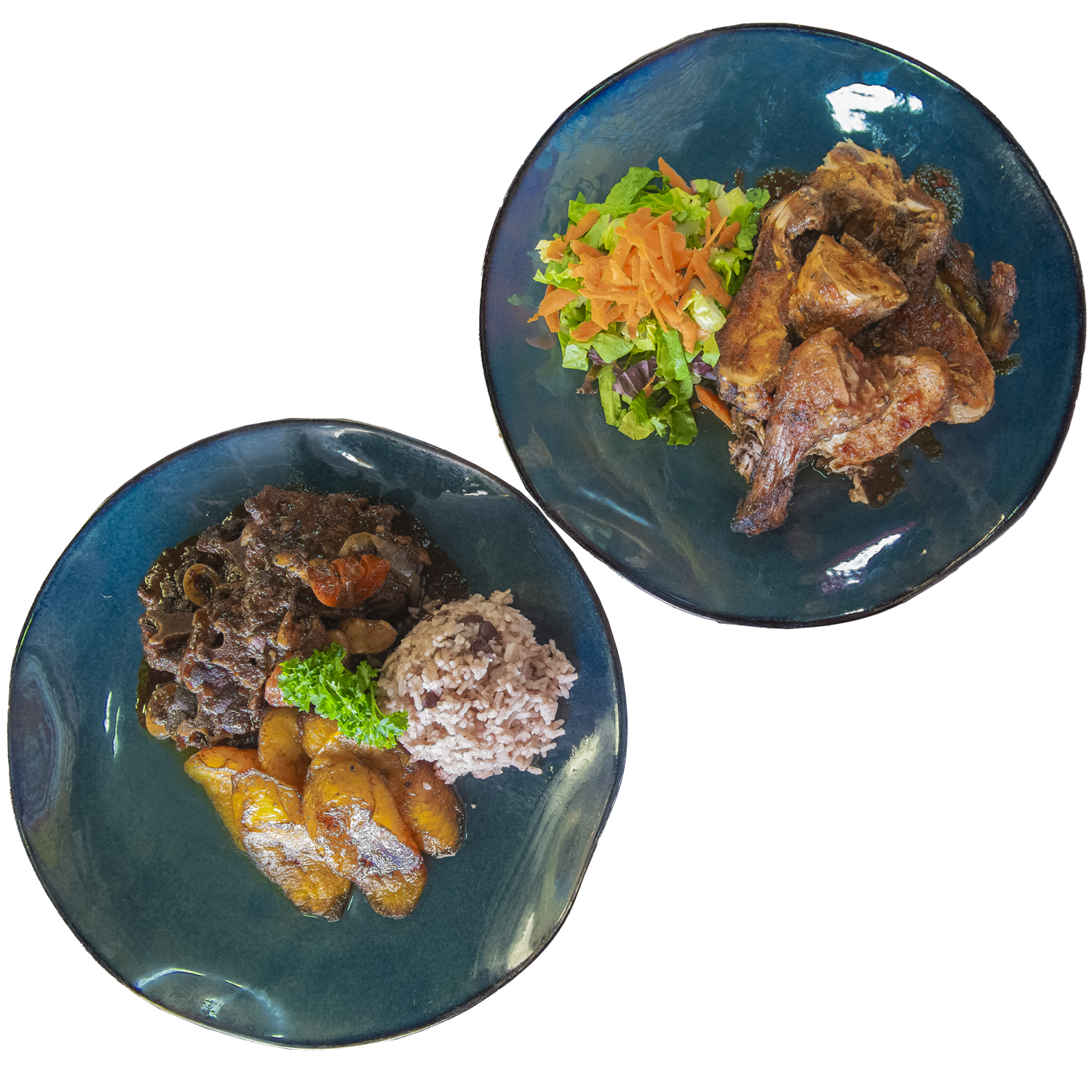
Good Caribbean cooking delivers an unusual combination of depth and brightness. You get long marinades, braises, smoke, frying, and stew work, but also citrus, herbs, vinegar heat, and fresh garnishes that keep a plate from feeling heavy. A proper jerk chicken plate should not taste like generic barbecue with a little spice dusted on top. It should have layers. Scotch bonnet heat, or a pepper with similar character, should be present, but not as a stunt. Thyme and scallion should register. Allspice should feel warm and aromatic, not like pumpkin pie seasoning gone astray. Smoke should support the seasoning, not flatten it.
Rice and peas, another staple people often underestimate, can tell you a lot about a kitchen. When it is right, the rice is separate but not dry, coconut and aromatics are integrated rather than cloying, and the whole thing can stand on its own. The same goes for stewed oxtails. Anyone can make them rich. The question is whether the sauce carries flavor beyond salt and sweetness, whether the meat is properly tender, and whether the plate has enough acid or spice to stay lively from first bite to last.
Denver diners have become much more adventurous over the past decade, but Caribbean food still sits in a sweet spot. It feels exciting without being inaccessible. Most menus contain an easy entry point, usually jerk chicken, fried plantains, or a pulled pork plate, alongside dishes that reward a little curiosity. That makes the category a strong choice for group dinners, date nights, or anyone tired of eating the same three cuisines every week.
The dishes to look for first
If you are exploring island cooking around town, a few dishes can help you read a menu and judge a kitchen quickly.
- Jerk chicken or pork, ideally with visible char, strong marinade flavor, and heat that builds instead of bludgeons
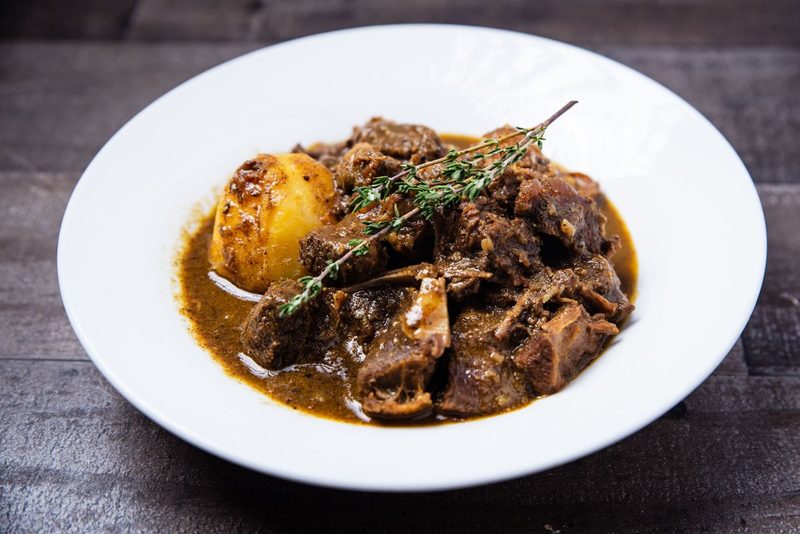
- Oxtail, where tenderness matters, but so do the body and seasoning of the gravy
- Curry goat or curry chicken, which should taste deep and savory rather than one-note
- Plantains, whether sweet ripe maduros or firmer tostones, because frying quality reveals a lot
- Patties or savory pastries, which expose whether a kitchen cares about dough as much as filling
Those are not the only dishes that matter, but they are useful markers. If a restaurant gets them right, chances are the rest of the menu is worth your time.
Jamaican flavors lead the conversation
In practical terms, Jamaican cooking anchors much of the Caribbean presence in Denver. That reflects broader patterns across the United States, where jerk and patty culture have traveled well and developed a loyal following. It also makes sense from a restaurant perspective. Jerk chicken sells. Patties travel. Brown stew chicken, curry goat, and oxtail give chefs a menu that can satisfy both first-time diners and regulars who know exactly what they want.
The challenge is that Jamaican food is often imitated poorly. Too many places, in too many cities, reduce it to oversweet sauces and generic “island” branding. In Denver, the more promising kitchens are the ones that understand restraint. Jerk is a seasoning system, not a bottle glaze. Rice and peas should not taste like an afterthought. Cabbage should be cooked enough to soften and sweeten, but not reduced to mush. Festival, if offered, should be tender and lightly sweet, with a crisp exterior.
When I size up a Jamaican restaurant, I usually pay attention to the smell before I sit down. If the room carries smoke, onion, clove, allspice, and caribbean food denver frying oil in balance, that is a good sign. If everything smells sugary, I lower my expectations. The first bite of chicken matters, but so does what happens after a few minutes. Great jerk keeps unfolding. Weak jerk peaks early and gets monotonous fast.
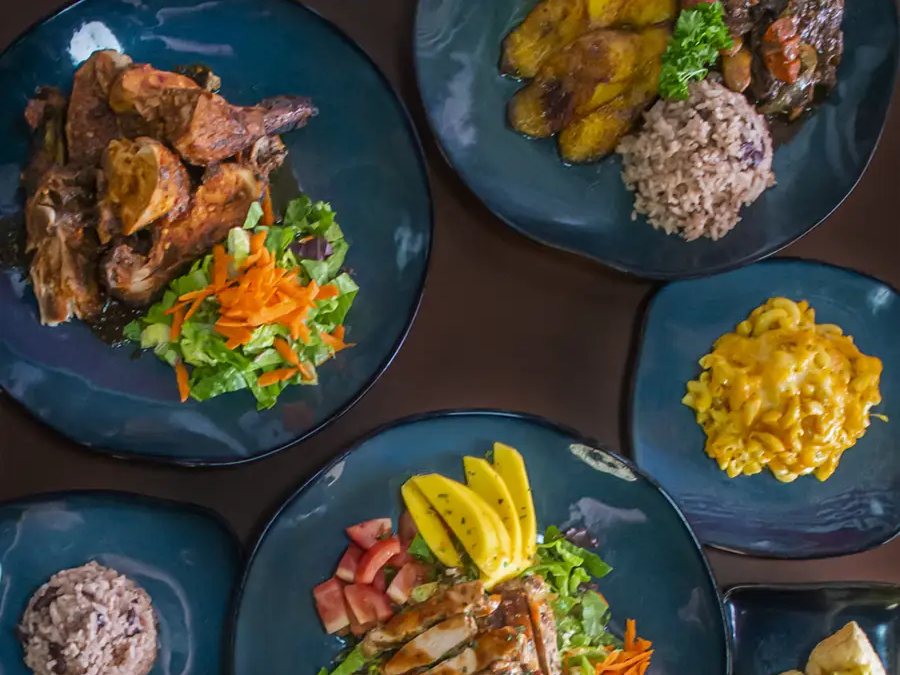
For diners new to the cuisine, ordering a combination plate is often the smartest move. A portion of jerk, a side of rice and peas, some cabbage, and plantains gives you a broad look at the kitchen’s hand. If the place also serves patties, add one. Even a good restaurant can have off nights with smoked meats, but a consistently good pastry program says a lot about discipline.
Puerto Rican and Cuban influences deserve attention too
Denver’s Caribbean map does not stop with Jamaica. Puerto Rican and Cuban influences show up in ways that reward a little searching, and sometimes a little patience. These cuisines can be harder to find in concentrated form, especially if you want the food prepared by cooks who grew up with it rather than a menu assembled from broad Latin templates.
Puerto Rican food, at its best, offers some of the most comforting and labor-intensive cooking in the hemisphere. Think slow-roasted pernil with edges that crackle and interior meat that stays moist, arroz con gandules with deep sofrito flavor, and mofongo with enough garlic and broth to feel alive rather than dense. The trick with Puerto Rican food is that it should eat rich without becoming dull. Pork wants acidity. Fried elements want moisture or sauce. Rice wants seasoning all the way through, not just a colorful look.
Cuban food brings a different balance. Citrus and garlic play a big role. Mojo-marinated pork can be deeply savory while still tasting bright. A good Cuban sandwich depends on details people love to argue over, bread structure, mustard quantity, pickle sharpness, roast pork texture, and whether the press gets the balance right between crisp and crush. In Denver, where altitude can expose weaknesses in bread and frying alike, the sandwiches that work best come from operations that take texture seriously.
If you see ropa vieja on a menu, take a moment before ordering. The dish can be excellent, but it is also a common shortcut item. Done well, it is deeply beefy, tomato-laced, peppery, and silky from slow cooking. Done badly, it is just shredded beef in red sauce. The difference is obvious by the second bite.
The places worth seeking out, and how to read them
Because restaurant rosters change, and because small independent kitchens can adjust hours, relocate, or pivot quickly, the smartest way to approach Caribbean food Denver diners actually enjoy is by understanding the patterns of where quality tends to show up.
Food trucks are often stronger than people expect. Island cooking travels well in certain formats, especially patties, jerk plates, rice bowls, fried plantains, and braised meats served over rice. Trucks can focus on a narrow menu and execute it with consistency. That matters. A truck serving four things very well will usually beat a sprawling restaurant menu trying to cover every island in one shot.
Neighborhood storefronts tend to offer the most soulful plates. These are the places where the dining room may be simple, the service direct, and the portions generous enough for lunch the next day. The best of them build regulars through consistency. One strong sign is a mixed crowd. If you see both homesick customers ordering with certainty and curious newcomers asking questions, the kitchen is probably doing something right.
Upscale fusion restaurants can be excellent, but they require discernment. Some chefs use Caribbean flavors with intelligence, drawing on proper marinades, spice profiles, and side dishes while adapting presentation to Denver’s dining habits. Others merely scatter mango salsa and call it tropical. Fusion is not the problem. Vagueness is.
Pop-ups also deserve respect. In many cities, including Denver, some of the most interesting island food comes from cooks not yet locked into a permanent lease. Pop-ups give chefs room to test menus, source ingredients carefully, and cook dishes that would be difficult to sustain every day. If you hear about a chef doing Trinidadian doubles, Haitian plates, or Dominican home-style specials for a limited run, pay attention. Those events often sell out for a reason.
What authenticity really means here
The word “authentic” gets thrown around carelessly. In practice, it is more useful to talk about integrity.
A restaurant in Denver may have to make adjustments. Certain peppers can be harder to source consistently. A specific bread style may behave differently in Colorado’s dry climate. Some cooks adapt to local customer preferences, especially around spice level or portion format. None of that automatically makes the food less valid. What matters is whether the core logic of the dish remains intact.
A jerk plate that uses locally available chicken but preserves the right marinade profile, smoke, and sides can be excellent. A Cuban sandwich made on bread that is not textbook Miami perfect can still be first-rate if the proportions and flavors are honest. By contrast, a menu covered in palm tree graphics with no understanding of seasoning, texture, or technique is not redeemed by atmosphere.
This is one area where talking to staff can help. A good restaurant usually has no trouble explaining its dishes plainly. You might hear that a family recipe came from Kingston, San Juan, or Santiago de Cuba. You might learn that the owner adjusted heat slightly for a broader audience but still makes a house pepper sauce for those who want the real edge. Those conversations are often more revealing than online marketing language.
How Denver changes the experience
Altitude and climate are not abstract concerns in a kitchen. They affect frying, moisture retention, baking, and the pace of service. That matters for Caribbean food more than some diners realize.
Fried plantains, fritters, and pastries can dry out quickly if held too long. Rice can lose moisture faster in a dry environment. Braised dishes are generally more forgiving, which is one reason stews and roasts tend to travel well here. Bread is trickier. If a restaurant bakes in-house, especially for sandwiches or patties, consistency takes work.
Denver’s dining culture also shapes menus. People here often want fast casual lunch options, family-style carryout, and dishes that feel hearty without becoming leaden at altitude. That has created opportunities for bowl formats, combination plates, and lunch specials built around jerk meats, beans, rice, slaw, and sauces. Purists sometimes dismiss these formats, but they can be very good when assembled by a kitchen that understands the source material.
There is also the ingredient question. caribbean food denver reggaepotjamaicangrill.com Colorado has strong produce in season, and a skilled chef can use that to advantage. Cabbage, onions, herbs, root vegetables, and peppers can support island cooking beautifully. The best local adaptations feel practical rather than performative. They respect the dish while acknowledging place.
Ordering well when it is your first visit
A lot of diners make the same mistake the first time they try Caribbean food in an unfamiliar spot. They either play it too safe or order a spread so large that nothing gets proper attention. A little strategy helps.
If you are with one other person, I like the split approach. Order one benchmark dish, something like jerk chicken, curry goat, or roast pork, and one item that tells you more about the kitchen’s range, perhaps a patty, oxtail, or a house specialty that regulars mention. Add rice, plantains, and one vegetable side. That creates enough contrast to understand what the cooks do well without flooding the table.
Watch the condiments too. Homemade pepper sauces, pickled onions, green seasoning, or citrus-heavy mojo can lift a good meal into a memorable one. If a restaurant takes care with its sauces, that is usually a positive sign. If every condiment comes prepackaged, expectations should adjust accordingly.
Here are a few practical cues that help on a first visit:
- Ask which dishes sell out first, because high-turnover braises and pastries are often the safest bets
- If you want heat, ask for the house level before requesting extra spice
- Choose one fried item and one braised or roasted item for contrast
- If patties are available, order one even if you think of it as a snack
- For takeout, separate crispy sides from sauced mains if the restaurant will pack them that way
That last point sounds fussy, but it makes a difference. A box of steam-softened plantains is still pleasant. A once-crisp patty trapped beside hot gravy for twenty minutes is not.
Pairings, portions, and the question of value
Caribbean food often offers strong value, especially compared with trend-driven menus built around small plates. Rice-based meals stretch naturally, stews reheat well, and side dishes usually have purpose beyond filler. A properly packed plate of curry goat, rice and peas, cabbage, and plantains can serve as a substantial dinner and still leave enough for lunch.
Beverages vary by style of restaurant. In a casual spot, tropical sodas, ginger beer, sorrel when available, or fruit juices often make more sense than alcohol. At a more polished restaurant, rum drinks may be part of the appeal. I tend to keep pairings simple. Sweet drinks and sweet sauces can stack too heavily, especially with jerk or glazed meats. A sharper beverage, something with ginger bite, citrus, or restrained sweetness, usually keeps the meal in balance.
Dessert is less common in some quick-service formats, but when you see rum cake, bread pudding with Caribbean spice, coconut tarts, or flan in a Cuban-leaning kitchen, it can be worth staying the course. Just gauge your appetite honestly. These are rarely featherweight endings.
Common disappointments, and how to avoid them
The most frequent letdown in Denver is not bad flavor. It is dilution. A restaurant tries to appeal to everyone and ends up flattening the identity of the food. The jerk loses smoke. The curry loses depth. The plantains come out pale. The menu covers Jamaica, Cuba, Puerto Rico, Trinidad, and “island tacos” without doing justice to any of them.
That does not mean smaller is always better, but focus usually helps. A kitchen built around a few traditions tends to cook with more conviction than one trying to satisfy every possible search result for Caribbean food Denver visitors might type into their phones.
Timing matters too. Visit during busy service if you can. Fresh turnover benefits almost everything in this category. Lunch can be ideal for patties and plate lunches. Early dinner often works well for braises, roasted meats, and fresh sides. Late-night Caribbean food can be wonderful, but only in places that truly maintain the same standards after the rush.
Reviews can help, but read them critically. Casual diners often reward portion size and friendliness more than technical execution. Those things matter, of course, but they are not the whole story. Look for specific praise. Did someone mention smoky jerk, flaky patties, balanced curry, or excellent rice and peas? Specificity is useful. Vague enthusiasm is less so.
Why the scene feels promising
Denver is still building its identity in this category, and that is not a weakness. It means there is room for chefs to define what the city’s Caribbean landscape becomes. Younger diners are open to regional specificity. More people understand that “Caribbean” is not a monolith. Pop-ups and small businesses can build an audience through social media and local events without needing to mimic larger markets. Farmers markets, breweries, and food halls have also created low-barrier entry points for cooks with strong recipes but limited capital.
That growth matters because Caribbean food thrives when people approach it as cuisine rather than novelty. It is not just vacation food. It is deeply historical, technically skilled, and often family-driven. The flavors are joyful, yes, but also precise. A good plate tells you something about migration, preservation, trade, adaptation, and home cooking all at once.
For Denver diners, that makes the search rewarding. You may not find every island represented equally. You may need to follow a truck across town, plan around a pop-up, or check whether a place sold out of patties by 2 p.m. But when you land on a restaurant or stand that gets it right, the payoff is immediate. Smoke, spice, citrus, starch, heat, and comfort come together in a way few cuisines can match.
If your goal is to find the best caribbean food denver has to offer, go beyond the broad label. Look for focus. Look for signs of real technique. Order a mix of benchmark dishes and house specialties. Pay attention to rice, patties, plantains, sauces, and smoke. The city’s island flavors may be scattered, but they are there, and the best of them are more than worth the drive.
Reggae Pot Jamaican Grill
2243 S Monaco St Pkwy, Suite 104
Denver, CO 80222
(720) 410-2956
FAQ About caribbean food denver
What is a typical Caribbean meal?
Caribbean cuisines vary by island. A Jamaican meal might pair jerk chicken or oxtail with sides such as rice and peas, cabbage, or fried plantains.
What is Jamaica’s national dish?
Ackee and saltfish is widely recognized as Jamaica’s national dish. Check the current menu for availability.
Is Caribbean jerk the same as Jamaican jerk?
Jerk is a Jamaican cooking tradition associated with seasoning and slow cooking or grilling. The exact heat level and preparation vary by cook.
Corrections
Spot something wrong? Send it to the desk and it gets fixed in the open.